

Best Baby Essentials for Busy Parents: 10 Time-Saving Picks
Last Updated: November 23, 2026
Quick Summary
The best baby essentials for busy parents are the items that remove or shorten a daily task, ranked by time saved rather than by category. Start with safety and sleep, then add time savers like a carrier and sound machine, and skip anything that solves a problem you do not have.
- A baby needs far less than the average registry suggests: safe sleep, food, clean diapers, warmth, and a way to travel.
- The Shoulder Baby Carrier Sling costs $9.42 and frees both hands for household tasks.
- The Soothe 'n Snuggle Otter offers up to 30 minutes of music and sounds with volume control and soft lights.
- Set up one changing station, one feeding station, and one sleep space, and restock both stations once a day.
- Skip wipe warmers, crib bumpers, newborn shoes, and bottle sterilizers, which duplicate functions or solve problems you may not have.
Table of Contents
- Why Busy Parents Need a Shorter Baby Essentials List
- Top 10 Things a Baby Needs (Ranked by Time Saved)
- Baby Essentials for the First 3 Months: What You Actually Use
- A Baby Shopping List for First-Time Moms, Built in Priority Order
- Baby Products to Skip (and What to Buy Instead)
- Budget Tiers: What a Starter Kit Costs at Three Spending Levels
- Small-Space and Caregiver Handoff Setup That Saves Time
- Build Your Baby Essentials Order at Your24/7stop&shop
- Frequently Asked Questions
Why Busy Parents Need a Shorter Baby Essentials List
The best baby essentials for busy parents are the items you will actually reach for at 3 a.m., not the ones that look good on a registry. A shorter list wins because every extra item costs money, floor space, and cleaning time.
Newborn essentials fall into a few tight categories: feeding, diapering, safe sleep, clothing, and on-the-go transport. The American Academy of Pediatrics safe sleep guidance is a good starting point for the sleep side, because safety rules there are firm and worth following exactly.
This list ranks items by time saved, not by category. Below, we show you exactly how to cut the list down and where a few smart picks do the work of ten.
Top 10 Things a Baby Needs (Ranked by Time Saved)
The top 10 things a baby needs are the items that remove a daily task or shorten it. A baby needs far less than the average registry suggests: safe sleep, food, clean diapers, warmth, and a way to travel. Everything past that is convenience, and convenience is exactly what a busy household should buy deliberately.
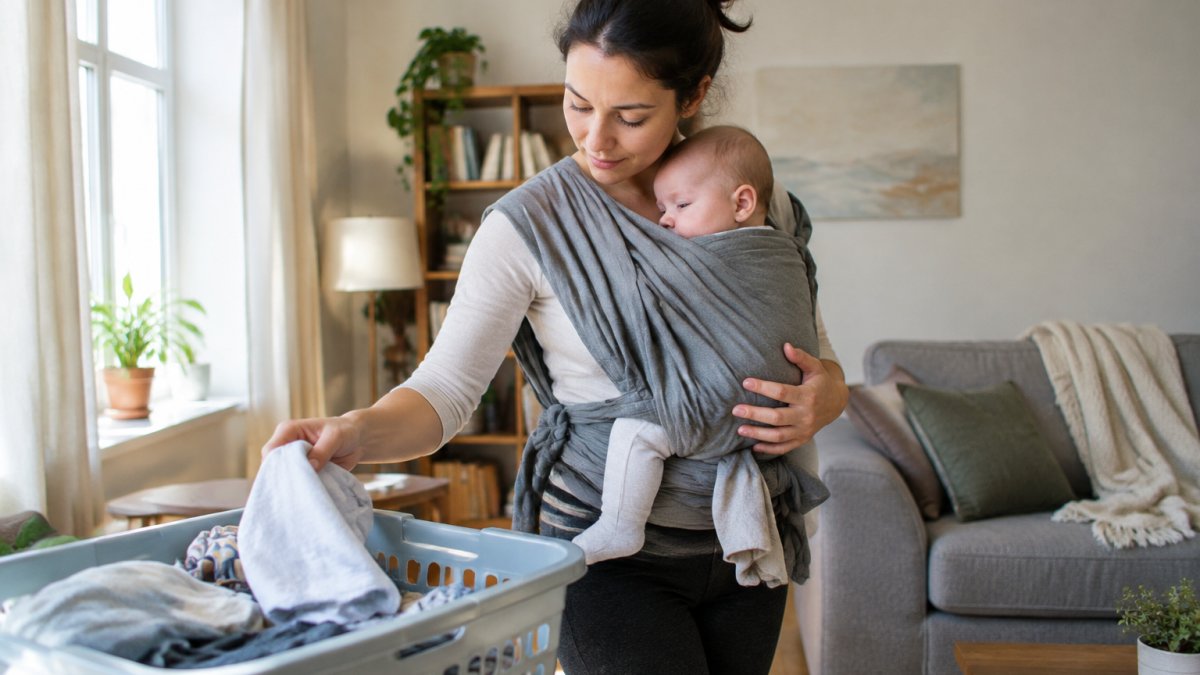
Here is our ranking, with the four picks we carry first.
1. Shoulder Baby Carrier Sling
A carrier can free both hands for household tasks while keeping the baby close. Our Shoulder Baby Carrier Sling is adjustable for a comfortable fit, made with breathable fabric, and designed for use around the house or on outings. At $9.42, it costs less than a single delivery meal.
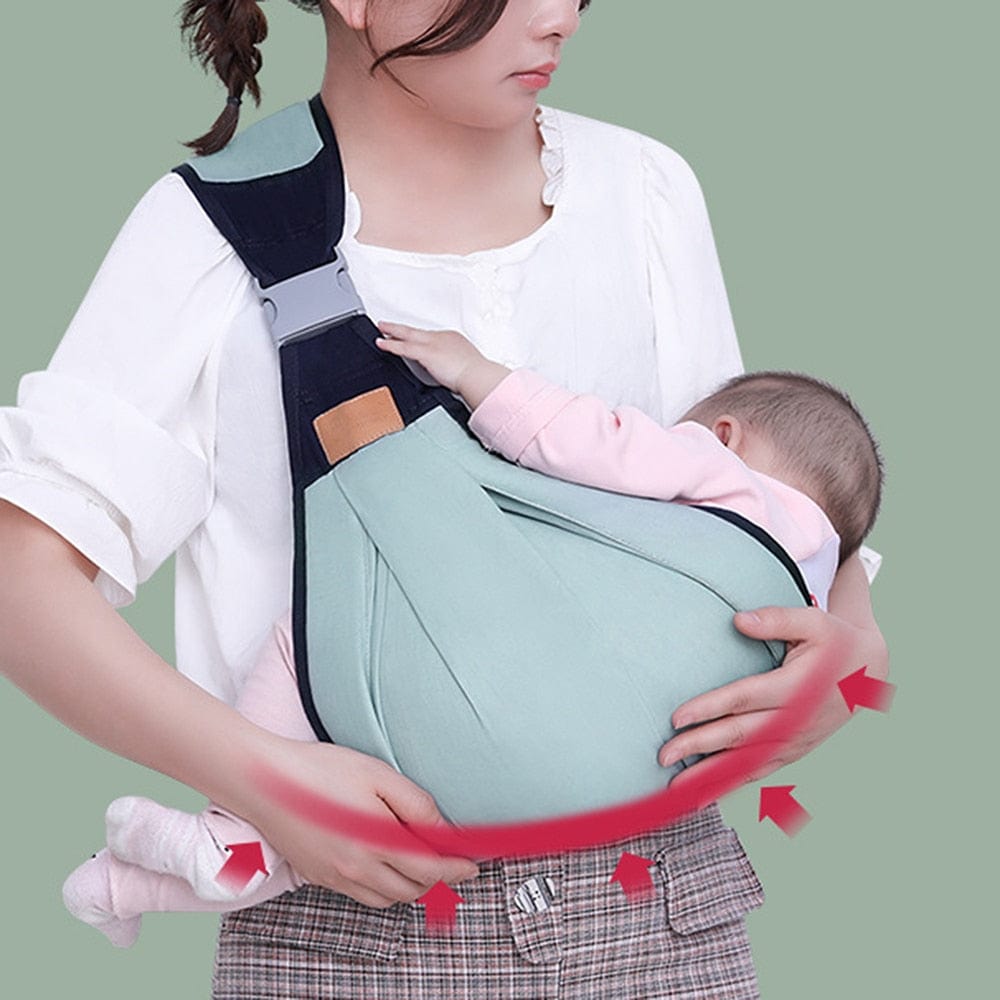
Best for: parents who need hands-free time during the day. Skip if: you want a structured carrier with buckles for long hikes.
2. Sound Machine Soothe 'n Snuggle Otter
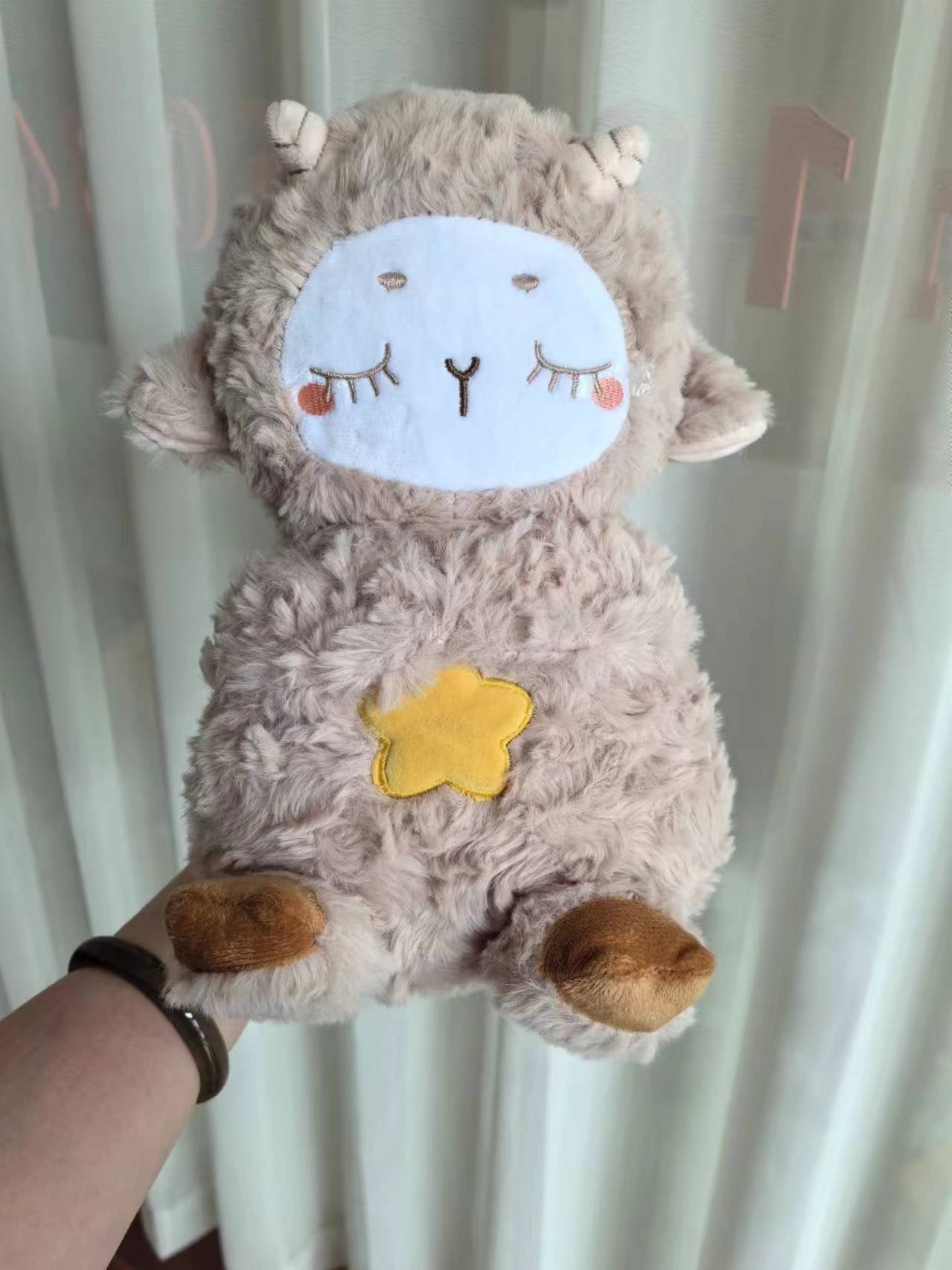
White noise shortens the settle-down window. This portable plush sound machine mimics a rhythmic breathing motion, offers up to 30 minutes of music and sounds with volume control and soft lights, and the fabric is machine washable once you remove the electronics. It runs $17.22. See the Soothe 'n Snuggle Otter details for the full sensory list.
3. Breathing Bear Soothing Plush
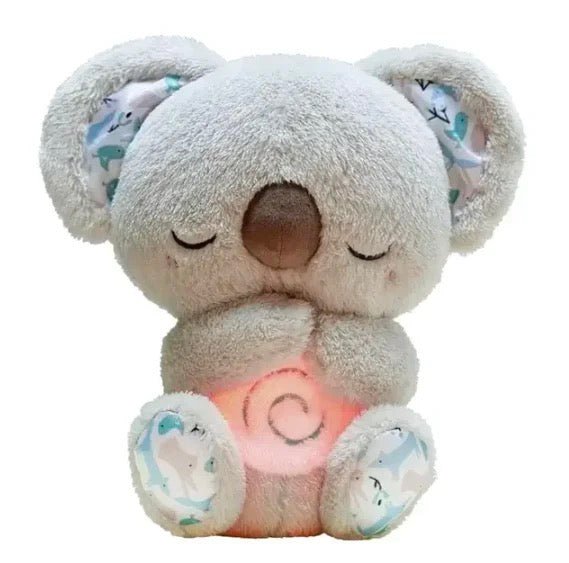
The Breathing Bear combines soothing lights with a soft breathing motion for a calmer sleep environment. It is plush, and priced at $10.77. View the Breathing Bear Soothing Plush listing.
4. Children's U-shaped Ultrasonic Electric Toothbrush
This USB-powered sonic toothbrush uses a gentle maglev motor, is designed for children aged 1 to 7, and comes in two colors with a compact design. It is priced at $25.00. Check the U-shaped electric toothbrush page for sizing.
Prices of the four recommended baby essentials
Baby Essentials for the First 3 Months: What You Actually Use
Baby essentials for the first 3 months are narrower than most lists admit. In the first three months, parents use diapers, wipes, feeding supplies, sleep sacks, and a safe sleep space daily. They use the swing, the bouncer, and half the toys rarely, if at all. The useful exercise is to sort every item by how many times a day you touch it, then buy only what clears the daily-use bar before birth.
A practical pattern many parents find works: set up one changing station, one feeding station, and one sleep space. Keep duplicates of wipes and burp cloths in each. The goal is to never walk across the house for a basic supply during a middle-of-the-night feeding. A common setup is a diaper caddy with a changing pad, a pack of wipes, a few diapers, and a spare onesie on each floor you use, plus a small feeding bin with bottles, burp cloths, and a nursing or formula top-up. Restock both stations once a day rather than carrying items room to room.
Here is the minimum-viable first-3-months list, sorted by how often you will reach for it:
- Daily, multiple times: diapers, wipes, feeding supplies (bottles or nursing gear), burp cloths, sleep sacks or footed sleepers, a safe sleep space with a firm mattress and fitted sheet.
- Daily, once or twice: a changing pad, a diaper pail or lidded trash can, a sound machine, a carrier for hands-free stretches.
- Weekly: a bath tub insert, baby wash, a soft brush, nail clippers, a thermometer.
- Wait and see: swing, bouncer, activity gym, extra toys, a second stroller. Buy these only if a real need appears in weeks four through twelve.
Safe sleep matters most in this window. The CDC safe sleep recommendations are clear: baby on the back, on a firm surface, with a fitted sheet and nothing loose in the crib. Skip the bumpers and the loose blankets. Keep the sleep space free of plush soothers and loose blankets, and consider a wearable sleep sack for warmth.
A Baby Shopping List for First-Time Moms, Built in Priority Order
A baby shopping list for first-time moms should be built in tiers, not categories. Buy tier one before the baby arrives. Buy tier two in the first month. Buy tier three only if a real need appears.
| Priority | What to Buy | Why It Ranks Here |
|---|---|---|
| Tier 1 (before birth) | Car seat, bassinet, diapers, wipes, bottles, onesies | Legally required or used daily from day one |
| Tier 2 (first month) | Carrier, sound machine, swaddles, diaper pail, diaper bag | Saves time once routines form |
| Tier 3 (wait and see) | Swing, bouncer, extra toys, toddler toothbrush | Useful only if your baby takes to it |
Baby Products to Skip (and What to Buy Instead)
Baby products to skip are the ones that duplicate a function you already own or solve a problem you may not have. The biggest offenders are specialty wipe warmers, crib bumpers, and oversized nursery furniture that eats floor space.
- Wipe warmer: skip it. A plain pack of wipes works, and warmers dry out.
- Crib bumpers: skip them. Safe sleep guidance rules them out.
- Shoe collection for a newborn: skip it. Socks and footed sleepers do the job.
- Bottle sterilizer: a pot of boiling water works; buy one only if you formula-feed daily.
What to buy instead: a second set of crib sheets, more burp cloths than you planned, and a portable sound machine you can move room to room.
Budget Tiers: What a Starter Kit Costs at Three Spending Levels
A starter kit costs whatever you decide, but the range is wide. A lean kit can cover the true basics for a few hundred dollars. A mid-range kit adds time savers. A full kit adds furniture and extras. The point of tiers is to separate must-buy-before-birth items from products that can wait, so you avoid overspending and decision fatigue in the final weeks.
Here is how the three tiers break down by function, with the trade-off at each level:
- Lean tier, the minimum viable list. Car seat, bassinet or a safe sleep space, diapers, wipes, bottles or nursing gear, a handful of onesies and footed sleepers, and a few burp cloths. This tier covers safety, feeding, diapering, warmth, and sleep. The trade-off: you will do more laundry and more hand-washing, and you will not have a hands-free carrier or a portable soother. Expect a few hundred dollars total, with the car seat and sleep space taking the largest share.
- Mid tier, add the time savers. Add the carrier, sound machine, swaddles or sleep sacks, a diaper pail, and a diaper bag. This is where a small budget stretch pays off most, because each item removes a repeated task rather than adding a one-time convenience.
- Full tier, add furniture and extras. Add a crib, a dresser, a swing, and a full nursery setup. This tier buys floor space and long-term furniture more than daily time savings, so it is the easiest place to overspend before you know your baby's temperament.
Our advice: spend on safety and sleep first, then on time savers. Per Consumer Product Safety Commission guidance on infant products, always check recall notices before buying used gear, and confirm the car seat fits your vehicle before you buy. Watch out: a used crib or car seat with an unknown history is not a budget win, if you cannot verify the model, the manufacture date, and that it has not been recalled, skip it.
A simple way to hold the budget: write your tier-one list first, price only those items, and set the tier-two and tier-three lists aside until the first month. Most households find the lean tier plus two or three mid-tier time savers covers the first three months without the full nursery spend.
Small-Space and Caregiver Handoff Setup That Saves Time
Small-space setups and caregiver handoffs save time when they follow one rule: everything has one home. In a small apartment, use a bassinet beside the bed, a caddy for diapers, and a portable soother that moves with the baby. Multi-use furniture, like a dresser with a changing pad on top, buys back floor space.
For handoffs, write a one-page routine. Note the feeding schedule, where the wipes live, and how the sound machine works. A caregiver who has to text you three times is not saving you time. Keep a spare set of the small items, like a second plush soother, so nothing has to travel between houses.
Build Your Baby Essentials Order at Your24/7stop&shop
The best baby essentials for busy parents are the ones that cut a task, not the ones that fill a shelf. Start with safety and sleep, add the time savers that fit your routine, and skip anything that solves a problem you do not have.
At Your24/7stop&shop, we handpick products to make that short list easy to build in one order. Standard orders ship free, checkout is secure, and we offer 30-day easy returns. Our 24/7 real human support is available when you have a question, and we have 1,200+ happy customers who rate us 4.8 out of 5 based on 1,245 verified reviews.
Build your starter kit with the carrier, the otter sound machine, the breathing bear, and the kids' toothbrush, and get the essentials handled in one click.
Frequently Asked Questions
What baby essentials save busy parents the most time?
The items that cut the most minutes per day are the ones that remove a step from feeding, soothing, or leaving the house. A wearable carrier frees both hands during chores, a plush sound machine with rhythmic motion helps a baby settle without being held, and a diaper bag packed the night before kills the morning scramble. Parents also save time by buying duplicates of cheap basics so nothing has to be washed and re-packed daily.
What should be on a baby shopping list for first-time moms?
Start with the four categories you cannot skip: feeding, sleep, diapering, and travel. That means bottles and formula if you are not exclusively nursing, a safe sleep space with fitted sheets, diapers, wipes, and diaper rash ointment, plus a car seat and a carrier. Add clothing basics, swaddles, and a nasal aspirator. Everything else, including swings, bouncers, and toys, can wait until you know your baby's temperament.
What are the top 10 things a baby needs?
A practical top 10 covers car seat, safe sleep space, diapers and wipes, feeding supplies, clothing and swaddles, a baby carrier, a sound machine or soothing plush, bath and grooming basics, a diaper bag, and a baby monitor. Notice that most of these are repeat-use items that solve a daily problem. Single-purpose gadgets rarely earn a spot because they take up space without saving time.
What baby products can parents skip?
Skip anything that only works for a few weeks or duplicates a job you already covered. Wipe warmers, dedicated bottle sterilizers if you have a dishwasher, newborn shoes, and oversized crib bedding sets are common examples. Also hold off on a full swing and bouncer combo before you know whether your baby likes motion. Buy the minimum, then add one item at a time as a real need shows up.
How much does a starter kit of baby essentials cost?
A bare-bones kit covering sleep, feeding, diapering, and travel usually lands in the low hundreds of dollars, and a fuller setup with a stroller and monitor pushes higher. You can keep costs down by buying small items first and spacing out big purchases. Smaller soothing items, like a plush sound machine or a carrier sling, cost under $20 each, so they are low-risk additions while you figure out what your baby responds to.
